Buy energytoday.eu ?
We are moving the project
energytoday.eu .
Are you interested in purchasing the domain
energytoday.eu ?
domain@kv-gmbh.de · 0541-91531010
Buy energytoday.eu ?
Are renewable resources the same as sustainable resources?
Renewable resources and sustainable resources are related concepts but not exactly the same. Renewable resources are those that can be replenished naturally over time, such as sunlight, wind, and water. Sustainable resources, on the other hand, refer to resources that are managed in a way that meets current needs without compromising the ability of future generations to meet their own needs. While renewable resources are often considered sustainable, not all sustainable resources are necessarily renewable, as some non-renewable resources can be managed in a way that ensures their long-term availability. **
Are smart home systems sustainable?
Smart home systems have the potential to be sustainable, as they can help reduce energy consumption and waste. For example, smart thermostats can optimize heating and cooling, reducing energy usage. Additionally, smart lighting systems can be programmed to turn off when not in use, saving electricity. However, the production and disposal of smart home devices can contribute to electronic waste, so it's important to consider the lifecycle impact of these systems. Overall, with proper use and disposal, smart home systems can contribute to sustainability efforts. **

Similar search terms for War
Top-Angebote
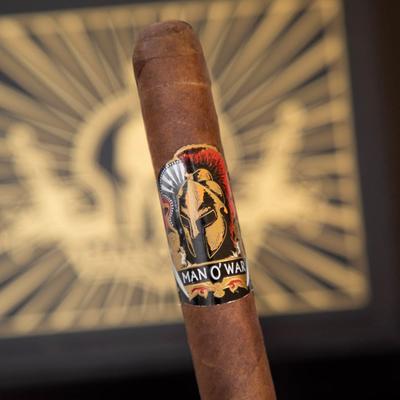
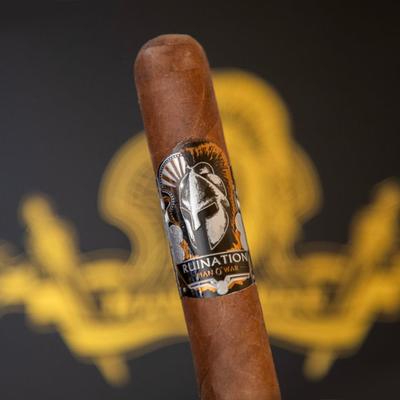
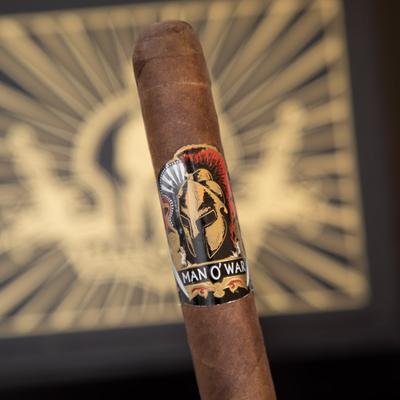
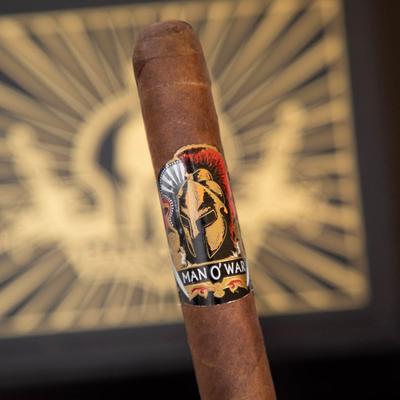
Products related to War:
-
Why were Germany and Italy so efficient in the Second World War?
Germany and Italy were efficient in the Second World War due to several factors. Firstly, both countries had strong and well-equipped military forces, with Germany in particular having developed innovative military strategies and technologies. Additionally, both countries had strong leadership in the form of Adolf Hitler and Benito Mussolini, who were able to mobilize their populations and resources effectively. Furthermore, both countries had strong alliances and were able to coordinate their military efforts with other Axis powers. Finally, the element of surprise and rapid military advances in the early stages of the war also contributed to their efficiency. **
-
Was the Korean War a proxy war or a civil war?
The Korean War was a proxy war, as it was fought between the communist-backed North Korea and the capitalist-backed South Korea, with support and involvement from other major powers such as the United States, China, and the Soviet Union. The conflict was not solely an internal struggle within Korea, but rather a larger geopolitical struggle between the two opposing ideologies of communism and capitalism. The involvement of outside powers and the global implications of the war make it more accurately described as a proxy war rather than a civil war. **
-
Is the Cuban Missile Crisis a dangerous confrontation or smart war management?
The Cuban Missile Crisis is generally viewed as a dangerous confrontation rather than smart war management. The crisis brought the world to the brink of nuclear war, with tensions escalating between the United States and the Soviet Union. It was a high-stakes situation that required careful diplomacy and negotiation to prevent a catastrophic outcome. Ultimately, the crisis was resolved through a combination of strategic decision-making and communication, but it highlighted the inherent dangers of the Cold War and the potential for global conflict. **
-
Is the First World War a modern war?
Yes, the First World War is considered a modern war due to the use of advanced technology and tactics that were unprecedented at the time. The war saw the introduction of new weapons such as tanks, airplanes, and chemical warfare, which changed the nature of warfare. Additionally, the scale of the conflict involving multiple countries and resulting in millions of casualties marked a departure from previous wars in terms of its global impact and devastation. Overall, the First World War is seen as a turning point in military history towards modern warfare. **
Are the committees ultimately grateful for the war as a stimulus and catalyst for renewable energies?
The committees are ultimately grateful for the war as a stimulus and catalyst for renewable energies. The war has accelerated the development and adoption of renewable energy technologies, as the need for alternative energy sources became more urgent. This has led to significant advancements in renewable energy infrastructure and technology, which will have long-term benefits for the environment and energy security. Additionally, the war has brought attention to the importance of transitioning to renewable energies, leading to increased support and investment in this sector. **
What is the motto of Wallenstein: "War feeds war" in the Thirty Years' War?
The motto "War feeds war" reflects the strategy of Wallenstein, a prominent military leader in the Thirty Years' War. It suggests that the continuation of war is necessary for its sustenance, as it provides resources, power, and opportunities for those involved in the conflict. This motto encapsulates the idea that war perpetuates itself, creating a cycle of violence and destruction. Wallenstein's approach to warfare was characterized by aggressive tactics and a focus on maintaining and expanding his military influence, making this motto a fitting representation of his approach to the conflict. **
Top-Angebote
Products related to War:
-
Are renewable resources the same as sustainable resources?
Renewable resources and sustainable resources are related concepts but not exactly the same. Renewable resources are those that can be replenished naturally over time, such as sunlight, wind, and water. Sustainable resources, on the other hand, refer to resources that are managed in a way that meets current needs without compromising the ability of future generations to meet their own needs. While renewable resources are often considered sustainable, not all sustainable resources are necessarily renewable, as some non-renewable resources can be managed in a way that ensures their long-term availability. **
-
Are smart home systems sustainable?
Smart home systems have the potential to be sustainable, as they can help reduce energy consumption and waste. For example, smart thermostats can optimize heating and cooling, reducing energy usage. Additionally, smart lighting systems can be programmed to turn off when not in use, saving electricity. However, the production and disposal of smart home devices can contribute to electronic waste, so it's important to consider the lifecycle impact of these systems. Overall, with proper use and disposal, smart home systems can contribute to sustainability efforts. **
-
Why were Germany and Italy so efficient in the Second World War?
Germany and Italy were efficient in the Second World War due to several factors. Firstly, both countries had strong and well-equipped military forces, with Germany in particular having developed innovative military strategies and technologies. Additionally, both countries had strong leadership in the form of Adolf Hitler and Benito Mussolini, who were able to mobilize their populations and resources effectively. Furthermore, both countries had strong alliances and were able to coordinate their military efforts with other Axis powers. Finally, the element of surprise and rapid military advances in the early stages of the war also contributed to their efficiency. **
-
Was the Korean War a proxy war or a civil war?
The Korean War was a proxy war, as it was fought between the communist-backed North Korea and the capitalist-backed South Korea, with support and involvement from other major powers such as the United States, China, and the Soviet Union. The conflict was not solely an internal struggle within Korea, but rather a larger geopolitical struggle between the two opposing ideologies of communism and capitalism. The involvement of outside powers and the global implications of the war make it more accurately described as a proxy war rather than a civil war. **
Similar search terms for War
-
Is the Cuban Missile Crisis a dangerous confrontation or smart war management?
The Cuban Missile Crisis is generally viewed as a dangerous confrontation rather than smart war management. The crisis brought the world to the brink of nuclear war, with tensions escalating between the United States and the Soviet Union. It was a high-stakes situation that required careful diplomacy and negotiation to prevent a catastrophic outcome. Ultimately, the crisis was resolved through a combination of strategic decision-making and communication, but it highlighted the inherent dangers of the Cold War and the potential for global conflict. **
-
Is the First World War a modern war?
Yes, the First World War is considered a modern war due to the use of advanced technology and tactics that were unprecedented at the time. The war saw the introduction of new weapons such as tanks, airplanes, and chemical warfare, which changed the nature of warfare. Additionally, the scale of the conflict involving multiple countries and resulting in millions of casualties marked a departure from previous wars in terms of its global impact and devastation. Overall, the First World War is seen as a turning point in military history towards modern warfare. **
-
Are the committees ultimately grateful for the war as a stimulus and catalyst for renewable energies?
The committees are ultimately grateful for the war as a stimulus and catalyst for renewable energies. The war has accelerated the development and adoption of renewable energy technologies, as the need for alternative energy sources became more urgent. This has led to significant advancements in renewable energy infrastructure and technology, which will have long-term benefits for the environment and energy security. Additionally, the war has brought attention to the importance of transitioning to renewable energies, leading to increased support and investment in this sector. **
-
What is the motto of Wallenstein: "War feeds war" in the Thirty Years' War?
The motto "War feeds war" reflects the strategy of Wallenstein, a prominent military leader in the Thirty Years' War. It suggests that the continuation of war is necessary for its sustenance, as it provides resources, power, and opportunities for those involved in the conflict. This motto encapsulates the idea that war perpetuates itself, creating a cycle of violence and destruction. Wallenstein's approach to warfare was characterized by aggressive tactics and a focus on maintaining and expanding his military influence, making this motto a fitting representation of his approach to the conflict. **
* All prices are inclusive of VAT and, if applicable, plus shipping costs. The offer information is based on the details provided by the respective shop and is updated through automated processes. Real-time updates do not occur, so deviations can occur in individual cases. ** Note: Parts of this content were created by AI.