Buy energytoday.eu ?
We are moving the project
energytoday.eu .
Are you interested in purchasing the domain
energytoday.eu ?
domain@kv-gmbh.de · 0541-91531010
Buy energytoday.eu ?
Is allosteric inhibition the same as non-competitive inhibition?
Allosteric inhibition and non-competitive inhibition are not the same, although they are related. Non-competitive inhibition refers to the binding of an inhibitor to a site on the enzyme that is not the active site, thereby preventing the substrate from binding to the active site. Allosteric inhibition, on the other hand, occurs when an inhibitor binds to a site on the enzyme that is distinct from the active site, causing a conformational change in the enzyme that reduces its activity. While both types of inhibition involve the binding of an inhibitor to a site other than the active site, allosteric inhibition specifically involves a change in the enzyme's shape and activity. **
What type of inhibition occurs through allosteric activation/inhibition?
Allosteric inhibition occurs when a molecule binds to an allosteric site on an enzyme, causing a conformational change that reduces the enzyme's activity. This type of inhibition is non-competitive, meaning it does not compete with the substrate for the active site. Allosteric activation, on the other hand, occurs when a molecule binds to an allosteric site and enhances the enzyme's activity. Both allosteric inhibition and activation involve the binding of a regulatory molecule to a site other than the active site of the enzyme, leading to a change in the enzyme's activity. **

Similar search terms for Inhibition
Top-Angebote
Products related to Inhibition:
-
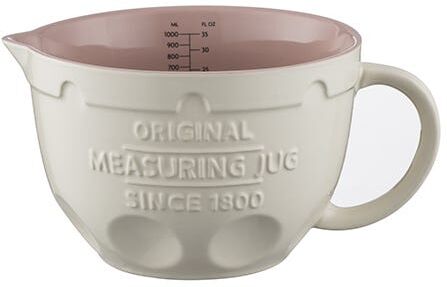
Mason Cash Innovative Kitchen 1L Measuring JugThe Mason Cash Innovative kitchen 1 litre measuring jug is a must have in the kitchen for baking large batches of ingredients. The stoneware bowl has a large handle providing a good grip when mixing the contents. The bowl features indentations on the exterior, which provides extra support when the bowl is tilted at an angle. The inside of the measuring bowl shows measurements in both millilitres and fluid ounces. Suitable for use in the microwave and dishwasher safe for easy and convenient cleaning, the measuring bowl is part of a matching collection.17,85 £*Shipping: 3,50 £Secure redirect to the provider
-
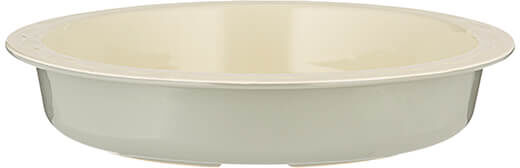
Mason Cash Innovative Kitchen 29cm Pie DishThe Mason Cash Innovative Kitchen Pie Dish is made from stoneware which provides gradual and even heat distribution. A vented base also ensures optimal heat distribution as do the steep sides of the dish. An embossed interior provides easy pastry release whilst the pastry anchor prevents pastry slumping. Mason Cash ovenware classics have been given the Innovative Kitchen treatment in this range. Carefully selected materials with innovative features that improve their performance for tastier results. The Mason Cash Innovative Kitchen Pie Dish measures H 5.5cm x W 28cm x D 28cm with a capacity of 2 litres.15,05 £*Shipping: 3,50 £Secure redirect to the provider
-
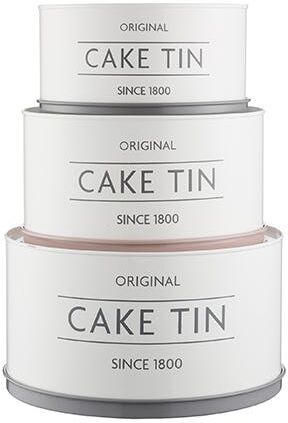
Mason Cash Innovative Kitchen Set Of 3 Cake TinsThis set of 3 Mason Cash cake tins are perfect for storing cakes, biscuits and bakes in your kitchen. These stylish tins look great on display and stack neatly together and store away inside each other for saving space in your cupboard. Part of a matching collection this set of 3 cake tins are also ideal for giving as a gift. Dimensions - small: 19 x 19 x 10cm, medium: 22 x 22 x 12cm, large: 25cm x 25cm x 14cm.26,60 £*Shipping: 3,50 £Secure redirect to the provider
-
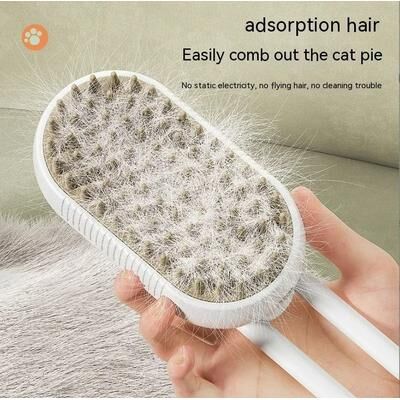
Uplift Essentials Innovative Electric Spray Pet Grooming Comb khakiElevate your pets grooming routine from a chore to a spalike experience. This new pet spray comb is a gamechanger for owners of cats and dogs, combining advanced deshedding technology with a soothing mist. Featuring a unique onekey spray function,...69,97 $*Shipping: 0,00 $Secure redirect to the provider

-
What is the difference between competitive inhibition and allosteric inhibition?
Competitive inhibition occurs when a molecule competes with the substrate for the active site of an enzyme, effectively blocking the substrate from binding and inhibiting the enzyme's activity. In contrast, allosteric inhibition occurs when a molecule binds to a site on the enzyme other than the active site, causing a conformational change that reduces the enzyme's activity. While competitive inhibition directly competes with the substrate for the active site, allosteric inhibition involves binding to a different site on the enzyme to regulate its activity. **
-
Non-competitive inhibition, right?
Non-competitive inhibition is a type of enzyme inhibition where the inhibitor binds to a site on the enzyme that is not the active site. This binding causes a conformational change in the enzyme, making it less effective at catalyzing the reaction. Non-competitive inhibitors do not compete with the substrate for binding to the enzyme. Instead, they can bind to the enzyme-substrate complex or to a separate allosteric site on the enzyme. **
-
Is allosteric inhibition irreversible?
Allosteric inhibition is typically reversible, meaning that the inhibitor can bind to the allosteric site and block the activity of the enzyme, but can also dissociate from the site, allowing the enzyme to regain its activity. This is in contrast to irreversible inhibition, where the inhibitor forms a covalent bond with the enzyme, permanently inactivating it. **
-
What is allosteric inhibition?
Allosteric inhibition is a type of enzyme regulation where a molecule binds to a site on the enzyme that is different from the active site, causing a conformational change in the enzyme's structure. This change reduces the enzyme's activity and ability to bind to its substrate, ultimately inhibiting its function. Allosteric inhibition is a reversible process and can be used to regulate enzyme activity in response to changing cellular conditions. **
What is the difference between allosteric inhibition and competitive inhibition in biology?
Allosteric inhibition occurs when a molecule binds to an allosteric site on an enzyme, causing a conformational change that reduces the enzyme's activity. This type of inhibition is non-competitive and can affect multiple enzymes in a metabolic pathway. On the other hand, competitive inhibition occurs when a molecule competes with the substrate for the active site of the enzyme, effectively blocking the substrate from binding and reducing the enzyme's activity. Competitive inhibition can be overcome by increasing the concentration of the substrate, while allosteric inhibition cannot be overcome in the same way. **
What is the difference between non-competitive inhibition and allosteric inhibition in biochemistry?
Non-competitive inhibition occurs when an inhibitor binds to an enzyme at a site other than the active site, causing a conformational change in the enzyme that reduces its activity. This type of inhibition does not compete with the substrate for binding to the active site. On the other hand, allosteric inhibition occurs when an inhibitor binds to an allosteric site on the enzyme, causing a conformational change that reduces the enzyme's activity. Allosteric inhibition can be reversible or irreversible, and it can be overcome by increasing the concentration of the substrate. **
Top-Angebote
Products related to Inhibition:
-
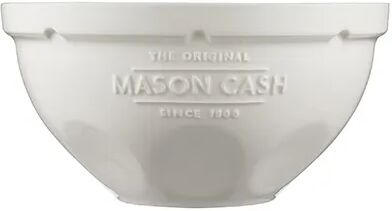
Mason Cash Innovative Kitchen Mixing BowlThis Mason Cash mixing bowl has a capacity of 4 litres and features tilt support in the design and shape of the bowl. As the bowl is tilted, the indents in the outer surface of the bowl provided angled support when mixing and beating the contents of the bowl. The bowl is made from stoneware and is finished with a durable and hard wearing glaze. The Mason Cash mixing bowl is suitable for warming food in the microwave and is dishwasher safe for easy and convenient cleaning.24,50 £*Shipping: 3,50 £Secure redirect to the provider
-
Mason Cash Innovative Kitchen Lasagne DishThe Mason Cash Innovative Kitchen Lasagne Dish is made from stoneware which provides gradual and even heat distribution. A vented base also ensures optimal heat distribution whilst right angled corners and precision sizing accommodate most lasagne sheets without the need to break them down. Steep sides allow for higher layering and help distribute heat evenly. Mason Cash ovenware classics have been given the Innovative Kitchen treatment in this range. Carefully selected materials with innovative features that improve their performance for tastier results. The Mason Cash Innovative Kitchen Lasagne Dish measures H 7.3cm x W 31.5cm x D 20.5cm with a capacity of 2.5 litres.16,10 £*Shipping: 3,50 £Secure redirect to the provider
-
Mason Cash Innovative Kitchen 1L Measuring JugThe Mason Cash Innovative kitchen 1 litre measuring jug is a must have in the kitchen for baking large batches of ingredients. The stoneware bowl has a large handle providing a good grip when mixing the contents. The bowl features indentations on the exterior, which provides extra support when the bowl is tilted at an angle. The inside of the measuring bowl shows measurements in both millilitres and fluid ounces. Suitable for use in the microwave and dishwasher safe for easy and convenient cleaning, the measuring bowl is part of a matching collection.17,85 £*Shipping: 3,50 £Secure redirect to the provider
-
Mason Cash Innovative Kitchen 29cm Pie DishThe Mason Cash Innovative Kitchen Pie Dish is made from stoneware which provides gradual and even heat distribution. A vented base also ensures optimal heat distribution as do the steep sides of the dish. An embossed interior provides easy pastry release whilst the pastry anchor prevents pastry slumping. Mason Cash ovenware classics have been given the Innovative Kitchen treatment in this range. Carefully selected materials with innovative features that improve their performance for tastier results. The Mason Cash Innovative Kitchen Pie Dish measures H 5.5cm x W 28cm x D 28cm with a capacity of 2 litres.15,05 £*Shipping: 3,50 £Secure redirect to the provider
-
Is allosteric inhibition the same as non-competitive inhibition?
Allosteric inhibition and non-competitive inhibition are not the same, although they are related. Non-competitive inhibition refers to the binding of an inhibitor to a site on the enzyme that is not the active site, thereby preventing the substrate from binding to the active site. Allosteric inhibition, on the other hand, occurs when an inhibitor binds to a site on the enzyme that is distinct from the active site, causing a conformational change in the enzyme that reduces its activity. While both types of inhibition involve the binding of an inhibitor to a site other than the active site, allosteric inhibition specifically involves a change in the enzyme's shape and activity. **
-
What type of inhibition occurs through allosteric activation/inhibition?
Allosteric inhibition occurs when a molecule binds to an allosteric site on an enzyme, causing a conformational change that reduces the enzyme's activity. This type of inhibition is non-competitive, meaning it does not compete with the substrate for the active site. Allosteric activation, on the other hand, occurs when a molecule binds to an allosteric site and enhances the enzyme's activity. Both allosteric inhibition and activation involve the binding of a regulatory molecule to a site other than the active site of the enzyme, leading to a change in the enzyme's activity. **
-
What is the difference between competitive inhibition and allosteric inhibition?
Competitive inhibition occurs when a molecule competes with the substrate for the active site of an enzyme, effectively blocking the substrate from binding and inhibiting the enzyme's activity. In contrast, allosteric inhibition occurs when a molecule binds to a site on the enzyme other than the active site, causing a conformational change that reduces the enzyme's activity. While competitive inhibition directly competes with the substrate for the active site, allosteric inhibition involves binding to a different site on the enzyme to regulate its activity. **
-
Non-competitive inhibition, right?
Non-competitive inhibition is a type of enzyme inhibition where the inhibitor binds to a site on the enzyme that is not the active site. This binding causes a conformational change in the enzyme, making it less effective at catalyzing the reaction. Non-competitive inhibitors do not compete with the substrate for binding to the enzyme. Instead, they can bind to the enzyme-substrate complex or to a separate allosteric site on the enzyme. **
Similar search terms for Inhibition
-
Mason Cash Innovative Kitchen Set Of 3 Cake TinsThis set of 3 Mason Cash cake tins are perfect for storing cakes, biscuits and bakes in your kitchen. These stylish tins look great on display and stack neatly together and store away inside each other for saving space in your cupboard. Part of a matching collection this set of 3 cake tins are also ideal for giving as a gift. Dimensions - small: 19 x 19 x 10cm, medium: 22 x 22 x 12cm, large: 25cm x 25cm x 14cm.26,60 £*Shipping: 3,50 £Secure redirect to the provider
-
Uplift Essentials Innovative Electric Spray Pet Grooming Comb khakiElevate your pets grooming routine from a chore to a spalike experience. This new pet spray comb is a gamechanger for owners of cats and dogs, combining advanced deshedding technology with a soothing mist. Featuring a unique onekey spray function,...69,97 $*Shipping: 0,00 $Secure redirect to the provider
-
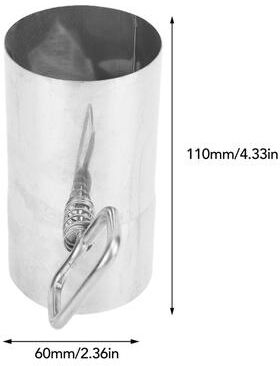
Smart Shopping Spot Premium Stainless Steel Stove Pipe With Damper For Efficient Venting sUpgrade your outdoor cooking experience with the stove pipe designed for reliable, efficient fume extraction. Crafted from premium 304 stainless steel, its built to withstand high temperatures and demanding conditions. The adjustable damper control...39,97 $*Shipping: 0,00 $Secure redirect to the provider
-
Uplift Essentials Innovative Electric Spray Pet Grooming Comb whiteElevate your pets grooming routine from a chore to a spalike experience. This new pet spray comb is a gamechanger for owners of cats and dogs, combining advanced deshedding technology with a soothing mist. Featuring a unique onekey spray function,...69,97 $*Shipping: 0,00 $Secure redirect to the provider
-
Is allosteric inhibition irreversible?
Allosteric inhibition is typically reversible, meaning that the inhibitor can bind to the allosteric site and block the activity of the enzyme, but can also dissociate from the site, allowing the enzyme to regain its activity. This is in contrast to irreversible inhibition, where the inhibitor forms a covalent bond with the enzyme, permanently inactivating it. **
-
What is allosteric inhibition?
Allosteric inhibition is a type of enzyme regulation where a molecule binds to a site on the enzyme that is different from the active site, causing a conformational change in the enzyme's structure. This change reduces the enzyme's activity and ability to bind to its substrate, ultimately inhibiting its function. Allosteric inhibition is a reversible process and can be used to regulate enzyme activity in response to changing cellular conditions. **
-
What is the difference between allosteric inhibition and competitive inhibition in biology?
Allosteric inhibition occurs when a molecule binds to an allosteric site on an enzyme, causing a conformational change that reduces the enzyme's activity. This type of inhibition is non-competitive and can affect multiple enzymes in a metabolic pathway. On the other hand, competitive inhibition occurs when a molecule competes with the substrate for the active site of the enzyme, effectively blocking the substrate from binding and reducing the enzyme's activity. Competitive inhibition can be overcome by increasing the concentration of the substrate, while allosteric inhibition cannot be overcome in the same way. **
-
What is the difference between non-competitive inhibition and allosteric inhibition in biochemistry?
Non-competitive inhibition occurs when an inhibitor binds to an enzyme at a site other than the active site, causing a conformational change in the enzyme that reduces its activity. This type of inhibition does not compete with the substrate for binding to the active site. On the other hand, allosteric inhibition occurs when an inhibitor binds to an allosteric site on the enzyme, causing a conformational change that reduces the enzyme's activity. Allosteric inhibition can be reversible or irreversible, and it can be overcome by increasing the concentration of the substrate. **
* All prices are inclusive of VAT and, if applicable, plus shipping costs. The offer information is based on the details provided by the respective shop and is updated through automated processes. Real-time updates do not occur, so deviations can occur in individual cases. ** Note: Parts of this content were created by AI.