Buy energytoday.eu ?
We are moving the project
energytoday.eu .
Are you interested in purchasing the domain
energytoday.eu ?
domain@kv-gmbh.de · 0541-91531010
Buy energytoday.eu ?
When is the imparfait used?
The imparfait is used in French to describe ongoing or repeated actions in the past, to set the scene or provide background information, to express habitual actions in the past, and to describe physical and emotional states in the past. It is often used in conjunction with the passé composé to provide a more complete picture of past events. The imparfait is also commonly used in storytelling and narration. **
What is the story in French imparfait?
The French imparfait is used to describe ongoing or habitual actions in the past. It sets the scene, describes the background, or provides context for a specific event or action in the past. It is often used to talk about childhood memories, past habits, or to describe a situation or state of being in the past. The imparfait is formed by taking the present tense nous form of the verb, dropping the -ons ending, and adding the imparfait endings (-ais, -ais, -ait, -ions, -iez, -aient). **
Similar search terms for Imparfait
Top-Angebote
Products related to Imparfait:
-
Mason Cash Innovative Kitchen Lasagne DishThe Mason Cash Innovative Kitchen Lasagne Dish is made from stoneware which provides gradual and even heat distribution. A vented base also ensures optimal heat distribution whilst right angled corners and precision sizing accommodate most lasagne sheets without the need to break them down. Steep sides allow for higher layering and help distribute heat evenly. Mason Cash ovenware classics have been given the Innovative Kitchen treatment in this range. Carefully selected materials with innovative features that improve their performance for tastier results. The Mason Cash Innovative Kitchen Lasagne Dish measures H 7.3cm x W 31.5cm x D 20.5cm with a capacity of 2.5 litres.16,10 £*Shipping: 3,50 £Secure redirect to the provider
-
Rueber Innovative Nutrient Nourishing Mask 200mLA hair mask. It a nourishing hair mask rich in amino acids that provides elasticity, vigor, and shine to hair. Its acidic pH protects dry or very dry hair by nourishing and eliminating static electricity. Intensely nourishes and revitalizes dry hair. Improves elasticity and shine. Protects hair structure with an acidic pH.13,95 £*Shipping: 7,11 £Secure redirect to the provider
-
Uplifted Finds Efficient Pet Hair Remover Brush Efficient Pet Hair Remover BrushMaintain a furfree home with this Pet Hair Remover Brush, an essential tool for dogs and cats owners. Engineered for maximum efficiency, this fur remover works across multiple surfaces including furniture, cars, carpets, and beds to lift deeply...37,97 $*Shipping: 0,00 $Secure redirect to the provider
-
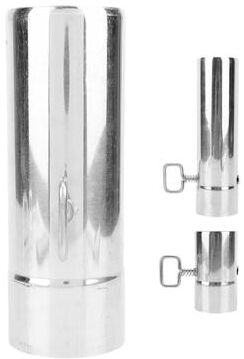
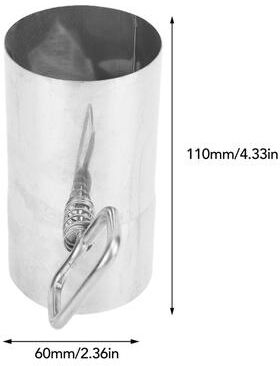
Smart Shopping Spot Premium Stainless Steel Stove Pipe With Damper For Efficient Venting sUpgrade your outdoor cooking experience with the stove pipe designed for reliable, efficient fume extraction. Crafted from premium 304 stainless steel, its built to withstand high temperatures and demanding conditions. The adjustable damper control...39,97 $*Shipping: 0,00 $Secure redirect to the provider



-
How do you translate the French imparfait into German?
To translate the French imparfait into German, you can use the German simple past tense (Präteritum) or the present perfect tense (Perfekt). The choice between the two depends on the context and the specific meaning you want to convey. The simple past tense is more commonly used in written German, while the present perfect tense is more common in spoken German. It's important to pay attention to the verb conjugations and the nuances of each tense to accurately convey the meaning of the imparfait in German. **
-
What is the difference between Imparfait and passé Composé?
The main difference between Imparfait and passé Composé is the way they are used to describe actions in the past. Imparfait is used to describe ongoing or repeated actions in the past, while passé Composé is used to describe specific actions that were completed in the past. Additionally, Imparfait is often used to set the scene or provide background information, while passé Composé is used to highlight the main events or actions. In terms of formation, Imparfait is formed by using the present tense of the verb as a base and adding specific endings, while passé Composé is formed by using the auxiliary verb "avoir" or "être" with the past participle of the main verb. **
-
What are the irregular verbs in the imparfait tense?
In the imparfait tense, irregular verbs include être (to be), avoir (to have), savoir (to know), vouloir (to want), pouvoir (to be able to), and aller (to go). These verbs have unique conjugations in the imparfait tense and do not follow the regular pattern of regular -er, -ir, or -re verbs. It is important to memorize the irregular conjugations of these verbs to use them correctly in the imparfait tense. **
-
What is the difference between Imparfait and Conditionnel présent?
The Imparfait is used to describe ongoing or repeated actions in the past, while the Conditionnel présent is used to express hypothetical or uncertain actions in the present or future. The Imparfait is used to set the scene or provide background information, while the Conditionnel présent is used to express a condition or consequence. Additionally, the Imparfait is formed by adding specific endings to the root of the verb, while the Conditionnel présent is formed by adding specific endings to the infinitive form of the verb. **


What is a task related to the French imparfait tense?
One task related to the French imparfait tense is to describe ongoing or habitual actions in the past. For example, students may be asked to write a paragraph about their daily routine when they were younger using the imparfait tense. Another task could be to narrate a past event or story using the imparfait to set the scene or provide background information. Practicing conjugating regular and irregular verbs in the imparfait form is also a common exercise to reinforce understanding of this past tense. **
What do I have to use, imparfait or passé composé?
You have to use the imparfait tense when describing ongoing or repeated actions in the past, setting the scene, or expressing habitual actions. On the other hand, you have to use the passé composé tense when talking about completed actions in the past, specific events that occurred at a particular moment, or actions that happened in a sequence. It is important to choose the correct tense based on the context and the meaning you want to convey in your sentence. **
Top-Angebote
Products related to Imparfait:
-
Smart Shopping Spot Premium Stainless Steel Stove Pipe With Damper For Efficient Venting mUpgrade your outdoor cooking experience with the stove pipe designed for reliable, efficient fume extraction. Crafted from premium 304 stainless steel, its built to withstand high temperatures and demanding conditions. The adjustable damper control...49,97 $*Shipping: 0,00 $Secure redirect to the provider
-
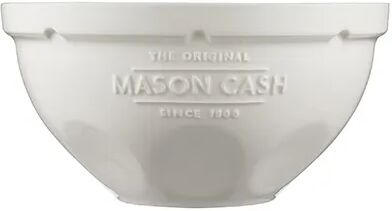
Mason Cash Innovative Kitchen Mixing BowlThis Mason Cash mixing bowl has a capacity of 4 litres and features tilt support in the design and shape of the bowl. As the bowl is tilted, the indents in the outer surface of the bowl provided angled support when mixing and beating the contents of the bowl. The bowl is made from stoneware and is finished with a durable and hard wearing glaze. The Mason Cash mixing bowl is suitable for warming food in the microwave and is dishwasher safe for easy and convenient cleaning.24,50 £*Shipping: 3,50 £Secure redirect to the provider
-
Mason Cash Innovative Kitchen Lasagne DishThe Mason Cash Innovative Kitchen Lasagne Dish is made from stoneware which provides gradual and even heat distribution. A vented base also ensures optimal heat distribution whilst right angled corners and precision sizing accommodate most lasagne sheets without the need to break them down. Steep sides allow for higher layering and help distribute heat evenly. Mason Cash ovenware classics have been given the Innovative Kitchen treatment in this range. Carefully selected materials with innovative features that improve their performance for tastier results. The Mason Cash Innovative Kitchen Lasagne Dish measures H 7.3cm x W 31.5cm x D 20.5cm with a capacity of 2.5 litres.16,10 £*Shipping: 3,50 £Secure redirect to the provider
-
Rueber Innovative Nutrient Nourishing Mask 200mLA hair mask. It a nourishing hair mask rich in amino acids that provides elasticity, vigor, and shine to hair. Its acidic pH protects dry or very dry hair by nourishing and eliminating static electricity. Intensely nourishes and revitalizes dry hair. Improves elasticity and shine. Protects hair structure with an acidic pH.13,95 £*Shipping: 7,11 £Secure redirect to the provider
-
When is the imparfait used?
The imparfait is used in French to describe ongoing or repeated actions in the past, to set the scene or provide background information, to express habitual actions in the past, and to describe physical and emotional states in the past. It is often used in conjunction with the passé composé to provide a more complete picture of past events. The imparfait is also commonly used in storytelling and narration. **
-
What is the story in French imparfait?
The French imparfait is used to describe ongoing or habitual actions in the past. It sets the scene, describes the background, or provides context for a specific event or action in the past. It is often used to talk about childhood memories, past habits, or to describe a situation or state of being in the past. The imparfait is formed by taking the present tense nous form of the verb, dropping the -ons ending, and adding the imparfait endings (-ais, -ais, -ait, -ions, -iez, -aient). **
-
How do you translate the French imparfait into German?
To translate the French imparfait into German, you can use the German simple past tense (Präteritum) or the present perfect tense (Perfekt). The choice between the two depends on the context and the specific meaning you want to convey. The simple past tense is more commonly used in written German, while the present perfect tense is more common in spoken German. It's important to pay attention to the verb conjugations and the nuances of each tense to accurately convey the meaning of the imparfait in German. **
-
What is the difference between Imparfait and passé Composé?
The main difference between Imparfait and passé Composé is the way they are used to describe actions in the past. Imparfait is used to describe ongoing or repeated actions in the past, while passé Composé is used to describe specific actions that were completed in the past. Additionally, Imparfait is often used to set the scene or provide background information, while passé Composé is used to highlight the main events or actions. In terms of formation, Imparfait is formed by using the present tense of the verb as a base and adding specific endings, while passé Composé is formed by using the auxiliary verb "avoir" or "être" with the past participle of the main verb. **
Similar search terms for Imparfait
-
Uplifted Finds Efficient Pet Hair Remover Brush Efficient Pet Hair Remover BrushMaintain a furfree home with this Pet Hair Remover Brush, an essential tool for dogs and cats owners. Engineered for maximum efficiency, this fur remover works across multiple surfaces including furniture, cars, carpets, and beds to lift deeply...37,97 $*Shipping: 0,00 $Secure redirect to the provider
-
Smart Shopping Spot Premium Stainless Steel Stove Pipe With Damper For Efficient Venting sUpgrade your outdoor cooking experience with the stove pipe designed for reliable, efficient fume extraction. Crafted from premium 304 stainless steel, its built to withstand high temperatures and demanding conditions. The adjustable damper control...39,97 $*Shipping: 0,00 $Secure redirect to the provider
-
Smart Shopping Spot Premium Stainless Steel Stove Pipe With Damper For Efficient Venting lUpgrade your outdoor cooking experience with the stove pipe designed for reliable, efficient fume extraction. Crafted from premium 304 stainless steel, its built to withstand high temperatures and demanding conditions. The adjustable damper control...59,97 $*Shipping: 0,00 $Secure redirect to the provider
-
Rueber Innovative Nutrient Nourishing Mask 500mLA hair mask. It a nourishing hair mask rich in amino acids that provides elasticity, vigor, and shine to hair. Its acidic pH protects dry or very dry hair by nourishing and eliminating static electricity. Intensely nourishes and revitalizes dry hair. Improves elasticity and shine. Protects hair structure with an acidic pH.24,01 £*Shipping: 10,02 £Secure redirect to the provider
-
What are the irregular verbs in the imparfait tense?
In the imparfait tense, irregular verbs include être (to be), avoir (to have), savoir (to know), vouloir (to want), pouvoir (to be able to), and aller (to go). These verbs have unique conjugations in the imparfait tense and do not follow the regular pattern of regular -er, -ir, or -re verbs. It is important to memorize the irregular conjugations of these verbs to use them correctly in the imparfait tense. **
-
What is the difference between Imparfait and Conditionnel présent?
The Imparfait is used to describe ongoing or repeated actions in the past, while the Conditionnel présent is used to express hypothetical or uncertain actions in the present or future. The Imparfait is used to set the scene or provide background information, while the Conditionnel présent is used to express a condition or consequence. Additionally, the Imparfait is formed by adding specific endings to the root of the verb, while the Conditionnel présent is formed by adding specific endings to the infinitive form of the verb. **
-
What is a task related to the French imparfait tense?
One task related to the French imparfait tense is to describe ongoing or habitual actions in the past. For example, students may be asked to write a paragraph about their daily routine when they were younger using the imparfait tense. Another task could be to narrate a past event or story using the imparfait to set the scene or provide background information. Practicing conjugating regular and irregular verbs in the imparfait form is also a common exercise to reinforce understanding of this past tense. **
-
What do I have to use, imparfait or passé composé?
You have to use the imparfait tense when describing ongoing or repeated actions in the past, setting the scene, or expressing habitual actions. On the other hand, you have to use the passé composé tense when talking about completed actions in the past, specific events that occurred at a particular moment, or actions that happened in a sequence. It is important to choose the correct tense based on the context and the meaning you want to convey in your sentence. **
* All prices are inclusive of VAT and, if applicable, plus shipping costs. The offer information is based on the details provided by the respective shop and is updated through automated processes. Real-time updates do not occur, so deviations can occur in individual cases. ** Note: Parts of this content were created by AI.