Buy energytoday.eu ?
We are moving the project
energytoday.eu .
Are you interested in purchasing the domain
energytoday.eu ?
domain@kv-gmbh.de · 0541-91531010
Buy energytoday.eu ?
Are renewable resources the same as sustainable resources?
Renewable resources and sustainable resources are related concepts but not exactly the same. Renewable resources are those that can be replenished naturally over time, such as sunlight, wind, and water. Sustainable resources, on the other hand, refer to resources that are managed in a way that meets current needs without compromising the ability of future generations to meet their own needs. While renewable resources are often considered sustainable, not all sustainable resources are necessarily renewable, as some non-renewable resources can be managed in a way that ensures their long-term availability. **
Are smart home systems sustainable?
Smart home systems have the potential to be sustainable, as they can help reduce energy consumption and waste. For example, smart thermostats can optimize heating and cooling, reducing energy usage. Additionally, smart lighting systems can be programmed to turn off when not in use, saving electricity. However, the production and disposal of smart home devices can contribute to electronic waste, so it's important to consider the lifecycle impact of these systems. Overall, with proper use and disposal, smart home systems can contribute to sustainability efforts. **


Similar search terms for Much
Top-Angebote
Products related to Much:
-
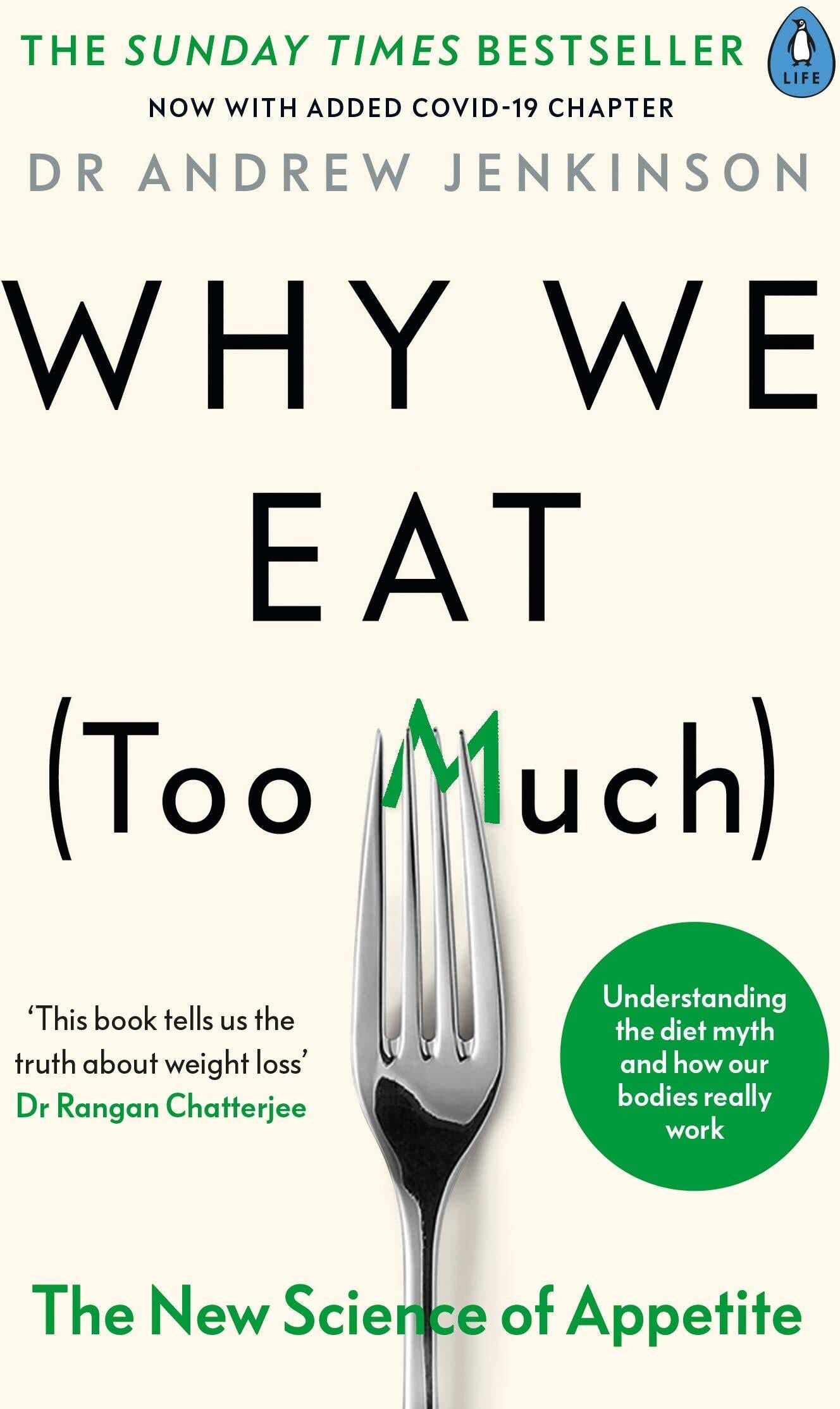
Penguin Why We Eat (Too Much) and Metabolical 2 Books Collection SetWhy We Eat (Too Much) by Dr Andrew Jenkinson We've all heard the golden rule: eat less, exercise more and you'll lose weight. But what if it isn't that simple? For over two decades, weight loss surgeon Dr Andrew Jenkinson has treated thousands of people who have become trapped in the endless cycle of dieting. Why We Eat (Too Much), combines case studies from his practice and the new science of metabolism to illuminate how our appetite really works. Debunking myths of about body and systematically explaining why dieting is counter-productive, this unflinching book investigates every aspect of nutrition: from the 'set weight point' that is unique to all of us, to good and bad fats, and from how genes impact our weight to how our hormones are affected after a diet ends. Metabolical by Dr Robert Lustig Did you know that 62% of the food in our supermarkets is not only processed but 'ultra-processed' (ingredients from other foods are combined to make something 'new', often in colours that do not exist in nature) and that data shows that by eating this kind of food over time we are literally slowly poisoning ourselves? In the hard-hitting, ground-breaking tradition of his NY Times bestseller FAT CHANCE, which revealed the dangers of sugar, Dr Robert Lustig persuasively presents a stark exposé of how our addiction to processed foods (aided and abetted by the food industry, big ag, big pharma, institutional medicine and the government) is behind the lethal increase in major non-communicable diseases, including diabetes, heart disease, fatty liver disease, cancer and dementia. We have come to accept that these chronic diseases are simply part of the 'natural ageing process', but Dr Lustig makes the case that this is simply not true.12,90 £*Shipping: 2,99 £Secure redirect to the provider
-
Fourth Estate Fat Chance, Why We Eat Too Much Science of Appetite 2 Books Collection SetFat Chance, Why We Eat Too Much Science of Appetite 2 Books Collection Set Fat Chance: The Hidden Truth About Sugar, Obesity and Disease Sugar is toxic, addictive and everywhere. So what chance do you have of living sugar-free? With busy lives and little time left for cooking we find ourselves relying on a diet of processed food. But this is what’s responsible for our chronically expanding waistlines, soaring levels of diabetes and a catalogue of diseases. Dr Robert Lustig reveals the truth about our sugar-laden food: Why conventional low-fat weight loss advice won’t work: not every calorie is the same, and skipping lunch doesn’t mean it’s ok to eat dessert Why too much sugar can cause serious illness even if you are not overweight How the food industry is filling our diets with hidden sugars – and which foods you must cut out to avoid them How governments are complacent about, and even complicit in, exacerbating our food debacle He will radically change the way you see your food and give you more than a fat chance of a healthier, happier and smarter life Why We Eat (Too Much): The New Science of Appetite by Dr Andrew Jenkinson We've all heard the golden rule: eat less, exercise more and you'll lose weight. But what if it isn't that simple? For over two decades, weight loss surgeon Dr Andrew Jenkinson has treated thousands of people who have become trapped in the endless cycle of dieting. Why We Eat (Too Much), combines case studies from his practice and the new science of metabolism to illuminate how our appetite really works. Debunking myths of about body and systematically explaining why dieting is counter-productive, this unflinching book investigates every aspect of nutrition: from the 'set weight point' that is unique to all of us, to good and bad fats, and from how genes impact our weight to how our hormones are affected after a diet ends. With a new chapter about the link between obesity and COVID-19, this incredible book will help you understand your body better than ever before.9,95 £*Shipping: 2,99 £Secure redirect to the provider
-
Penguin Why We Eat (Too Much) by Andrew Jenkinson The New Science of Appetite & Lasting Weight LossWhy We Eat (Too Much): The New Science of Appetite by Andrew Jenkinson exposes the real reasons behind weight gain—and why traditional dieting fails.Drawing on decades of clinical experience as a bariatric surgeon, Jenkinson reveals how hormones, metabolism, appetite signals, genetics, stress and the modern food environment influence our eating habits far more than willpower alone. The book debunks diet myths, explains how the body protects its “set point” weight, and offers science-backed strategies for achieving long-term health without extreme diets or guilt.Clear, compassionate and transformative, it’s a must-read for anyone interested in nutrition, weight management, metabolism, or evidence-based health advice.7,99 £*Shipping: 2,99 £Secure redirect to the provider



-
How much renewable energy is produced per year?
According to the International Renewable Energy Agency (IRENA), in 2020, the world produced around 2,799 terawatt-hours (TWh) of electricity from renewable sources. This accounted for around 29% of global electricity generation. The production of renewable energy has been steadily increasing each year as countries strive to reduce their carbon footprint and transition to cleaner energy sources. **
-
How much do you pay attention to sustainable fashion?
As an AI language model, I don't have personal preferences or behaviors. However, sustainable fashion is an important topic that is gaining more attention in the fashion industry. Many people are becoming more conscious of the environmental and social impact of their clothing choices and are seeking out sustainable and ethical fashion options. It's important to consider the environmental and social implications of the fashion industry and make informed choices when it comes to purchasing clothing. **
-
How much more efficient is a new heating system?
A new heating system can be significantly more efficient than an older one, especially if the older system is outdated or in poor condition. New heating systems often come with advanced technology and energy-saving features that can result in lower energy consumption and reduced utility bills. Additionally, newer systems are designed to meet higher efficiency standards, which can lead to a more comfortable and consistent indoor temperature. Overall, a new heating system can be a worthwhile investment in terms of energy efficiency and cost savings. **
-
Why are the Greens so much against sustainable nuclear power?
The Greens are generally against sustainable nuclear power because they have concerns about the safety and environmental impact of nuclear energy. They argue that nuclear power plants produce radioactive waste that remains hazardous for thousands of years, and that accidents like the ones at Chernobyl and Fukushima have demonstrated the potential for catastrophic consequences. Additionally, they believe that investing in nuclear power diverts resources and attention away from renewable energy sources like wind and solar power, which they see as safer and more sustainable alternatives. Finally, the Greens also have concerns about the potential for nuclear proliferation and the connection between nuclear power and nuclear weapons. **
What are some ideas for an innovative and sustainable product that does not exist yet?
One innovative and sustainable product idea could be a biodegradable and compostable alternative to single-use plastic packaging, such as a food wrap or container made from plant-based materials. Another idea could be a solar-powered water purification system that can provide clean drinking water in remote or disaster-stricken areas. Additionally, a wearable technology that uses kinetic energy from movement to generate electricity for charging electronic devices could be a sustainable and innovative product. **
How much can a Smart car tow?
A Smart car is not designed to tow heavy loads. The manufacturer recommends that a Smart car should not be used for towing. The small size and lightweight construction of a Smart car make it unsuitable for towing significant weight, and attempting to do so could potentially damage the vehicle. If towing is necessary, it is best to use a vehicle that is specifically designed for towing. **
Top-Angebote
Products related to Much:
-
Enesco/Dept 56 Snow Much Fun Clothtique Red , RedThis pup always has Snow Much Fun snow tubing with Santa! The duo wears classic Santa hats as they slide through the glittery snow. Santa wears a shiny red jacket, a striped scarf, and a green bag of toys. One present on a spring appears to be...95,99 $*Shipping: 18,95 $Secure redirect to the provider
-
Obaby Guess How Much I Love You - Scribble Cot Bed RoundOur "Guess I Can Hop' Grace Inspire cot bed, turns your little one's nursery into an enchanting story every night. The beautifully printed illustrations will bring your little one's imagination to life whether it's bedtime stories to wind down for a dreamy sleep or imaginary play. The grace Inspire features an adjustable three-position base, the top setting allows your baby to be taken in and out of the cot bed without unecessary bending, then as your child learns to sit and stand you can adjust the base by a further two positions to keep them sag=fe and secure. Once your little one is ready to progress to a bed, the Grace Inspire cot bed will convert seamlessly from a cot bed into a cosy and stylish toddler bed, meaning it offers maximum durability and long-lasting value. The Grace Inspire cot bed requires an Obaby 140 x 70 cm mattress, available separately. Obaby168,99 £*Shipping: 0,00 £Secure redirect to the provider
-
Penguin Why We Eat (Too Much) and Metabolical 2 Books Collection SetWhy We Eat (Too Much) by Dr Andrew Jenkinson We've all heard the golden rule: eat less, exercise more and you'll lose weight. But what if it isn't that simple? For over two decades, weight loss surgeon Dr Andrew Jenkinson has treated thousands of people who have become trapped in the endless cycle of dieting. Why We Eat (Too Much), combines case studies from his practice and the new science of metabolism to illuminate how our appetite really works. Debunking myths of about body and systematically explaining why dieting is counter-productive, this unflinching book investigates every aspect of nutrition: from the 'set weight point' that is unique to all of us, to good and bad fats, and from how genes impact our weight to how our hormones are affected after a diet ends. Metabolical by Dr Robert Lustig Did you know that 62% of the food in our supermarkets is not only processed but 'ultra-processed' (ingredients from other foods are combined to make something 'new', often in colours that do not exist in nature) and that data shows that by eating this kind of food over time we are literally slowly poisoning ourselves? In the hard-hitting, ground-breaking tradition of his NY Times bestseller FAT CHANCE, which revealed the dangers of sugar, Dr Robert Lustig persuasively presents a stark exposé of how our addiction to processed foods (aided and abetted by the food industry, big ag, big pharma, institutional medicine and the government) is behind the lethal increase in major non-communicable diseases, including diabetes, heart disease, fatty liver disease, cancer and dementia. We have come to accept that these chronic diseases are simply part of the 'natural ageing process', but Dr Lustig makes the case that this is simply not true.12,90 £*Shipping: 2,99 £Secure redirect to the provider
-
Fourth Estate Fat Chance, Why We Eat Too Much Science of Appetite 2 Books Collection SetFat Chance, Why We Eat Too Much Science of Appetite 2 Books Collection Set Fat Chance: The Hidden Truth About Sugar, Obesity and Disease Sugar is toxic, addictive and everywhere. So what chance do you have of living sugar-free? With busy lives and little time left for cooking we find ourselves relying on a diet of processed food. But this is what’s responsible for our chronically expanding waistlines, soaring levels of diabetes and a catalogue of diseases. Dr Robert Lustig reveals the truth about our sugar-laden food: Why conventional low-fat weight loss advice won’t work: not every calorie is the same, and skipping lunch doesn’t mean it’s ok to eat dessert Why too much sugar can cause serious illness even if you are not overweight How the food industry is filling our diets with hidden sugars – and which foods you must cut out to avoid them How governments are complacent about, and even complicit in, exacerbating our food debacle He will radically change the way you see your food and give you more than a fat chance of a healthier, happier and smarter life Why We Eat (Too Much): The New Science of Appetite by Dr Andrew Jenkinson We've all heard the golden rule: eat less, exercise more and you'll lose weight. But what if it isn't that simple? For over two decades, weight loss surgeon Dr Andrew Jenkinson has treated thousands of people who have become trapped in the endless cycle of dieting. Why We Eat (Too Much), combines case studies from his practice and the new science of metabolism to illuminate how our appetite really works. Debunking myths of about body and systematically explaining why dieting is counter-productive, this unflinching book investigates every aspect of nutrition: from the 'set weight point' that is unique to all of us, to good and bad fats, and from how genes impact our weight to how our hormones are affected after a diet ends. With a new chapter about the link between obesity and COVID-19, this incredible book will help you understand your body better than ever before.9,95 £*Shipping: 2,99 £Secure redirect to the provider
-
Are renewable resources the same as sustainable resources?
Renewable resources and sustainable resources are related concepts but not exactly the same. Renewable resources are those that can be replenished naturally over time, such as sunlight, wind, and water. Sustainable resources, on the other hand, refer to resources that are managed in a way that meets current needs without compromising the ability of future generations to meet their own needs. While renewable resources are often considered sustainable, not all sustainable resources are necessarily renewable, as some non-renewable resources can be managed in a way that ensures their long-term availability. **
-
Are smart home systems sustainable?
Smart home systems have the potential to be sustainable, as they can help reduce energy consumption and waste. For example, smart thermostats can optimize heating and cooling, reducing energy usage. Additionally, smart lighting systems can be programmed to turn off when not in use, saving electricity. However, the production and disposal of smart home devices can contribute to electronic waste, so it's important to consider the lifecycle impact of these systems. Overall, with proper use and disposal, smart home systems can contribute to sustainability efforts. **
-
How much renewable energy is produced per year?
According to the International Renewable Energy Agency (IRENA), in 2020, the world produced around 2,799 terawatt-hours (TWh) of electricity from renewable sources. This accounted for around 29% of global electricity generation. The production of renewable energy has been steadily increasing each year as countries strive to reduce their carbon footprint and transition to cleaner energy sources. **
-
How much do you pay attention to sustainable fashion?
As an AI language model, I don't have personal preferences or behaviors. However, sustainable fashion is an important topic that is gaining more attention in the fashion industry. Many people are becoming more conscious of the environmental and social impact of their clothing choices and are seeking out sustainable and ethical fashion options. It's important to consider the environmental and social implications of the fashion industry and make informed choices when it comes to purchasing clothing. **
Similar search terms for Much
-
Penguin Why We Eat (Too Much) by Andrew Jenkinson The New Science of Appetite & Lasting Weight LossWhy We Eat (Too Much): The New Science of Appetite by Andrew Jenkinson exposes the real reasons behind weight gain—and why traditional dieting fails.Drawing on decades of clinical experience as a bariatric surgeon, Jenkinson reveals how hormones, metabolism, appetite signals, genetics, stress and the modern food environment influence our eating habits far more than willpower alone. The book debunks diet myths, explains how the body protects its “set point” weight, and offers science-backed strategies for achieving long-term health without extreme diets or guilt.Clear, compassionate and transformative, it’s a must-read for anyone interested in nutrition, weight management, metabolism, or evidence-based health advice.7,99 £*Shipping: 2,99 £Secure redirect to the provider
-
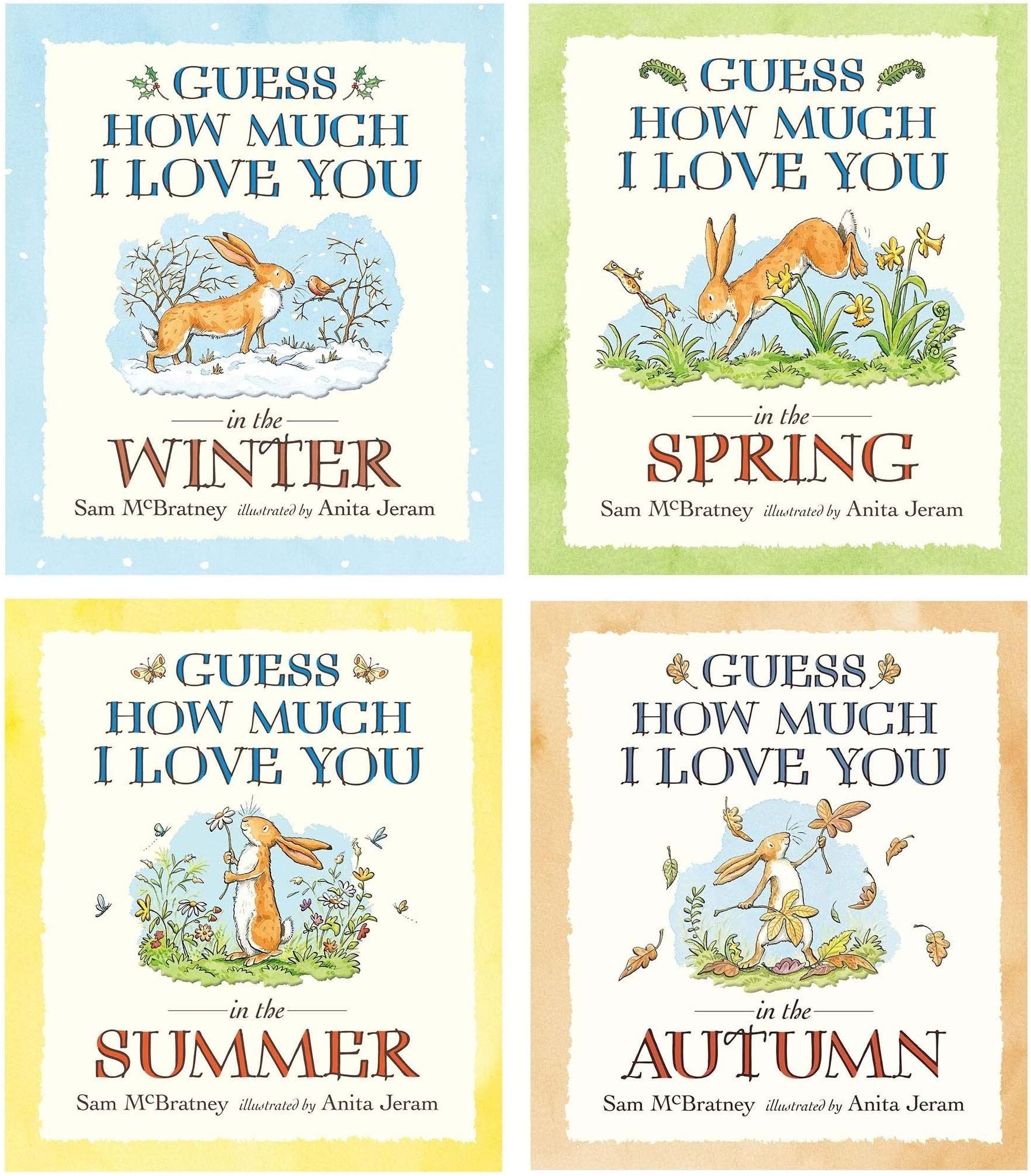
Walker Books Sam McBratney Guess How Much I Love You 4 Books Collection Set (Winter, Spring, Summer, Autumn)Title in This Set:1. Guess How Much I Love You in the Winter2. Guess How Much I Love You in the Spring3. Guess How Much I Love You in the Summer4. Guess How Much I Love You in the AutumnDescription:Guess How Much I Love You in the Winter"It's little... It's nutbrown... It's my most favourite thing..." When Little Nutbrown Hare and Big Nutbrown Hare go out into the winter snow, they decide to play a game of "I Spy". Seasonally themed and beautifully illustrated throughout, little ones will enjoy joining in with the game in this captivating story while discovering what Big Nutbrown Hare's favourite thing is!Guess How Much I Love You in the Spring"Does nothing stay the same?” thought Little Nutbrown Hare. “Does everything change?” Little Nutbrown Hare loves playing in the spring, when everything is growing and changing but he has a lot of questions.Guess How Much I Love You in the Summer"Which blue do you like best?" asked Little Nutbrown Hare. It's summer and Little Nutbrown Hare learns about all of the different colours that are around him – the red of the berries, the green of the leaves, the blue of the sky…Guess How Much I Love You in the Autumn“I’m a box monster!” shouted the box. Little Nutbrown Hare loves chasing the leaves in the autumn wind – especially when a big surprise blows his way.9,99 £*Shipping: 2,99 £Secure redirect to the provider
-
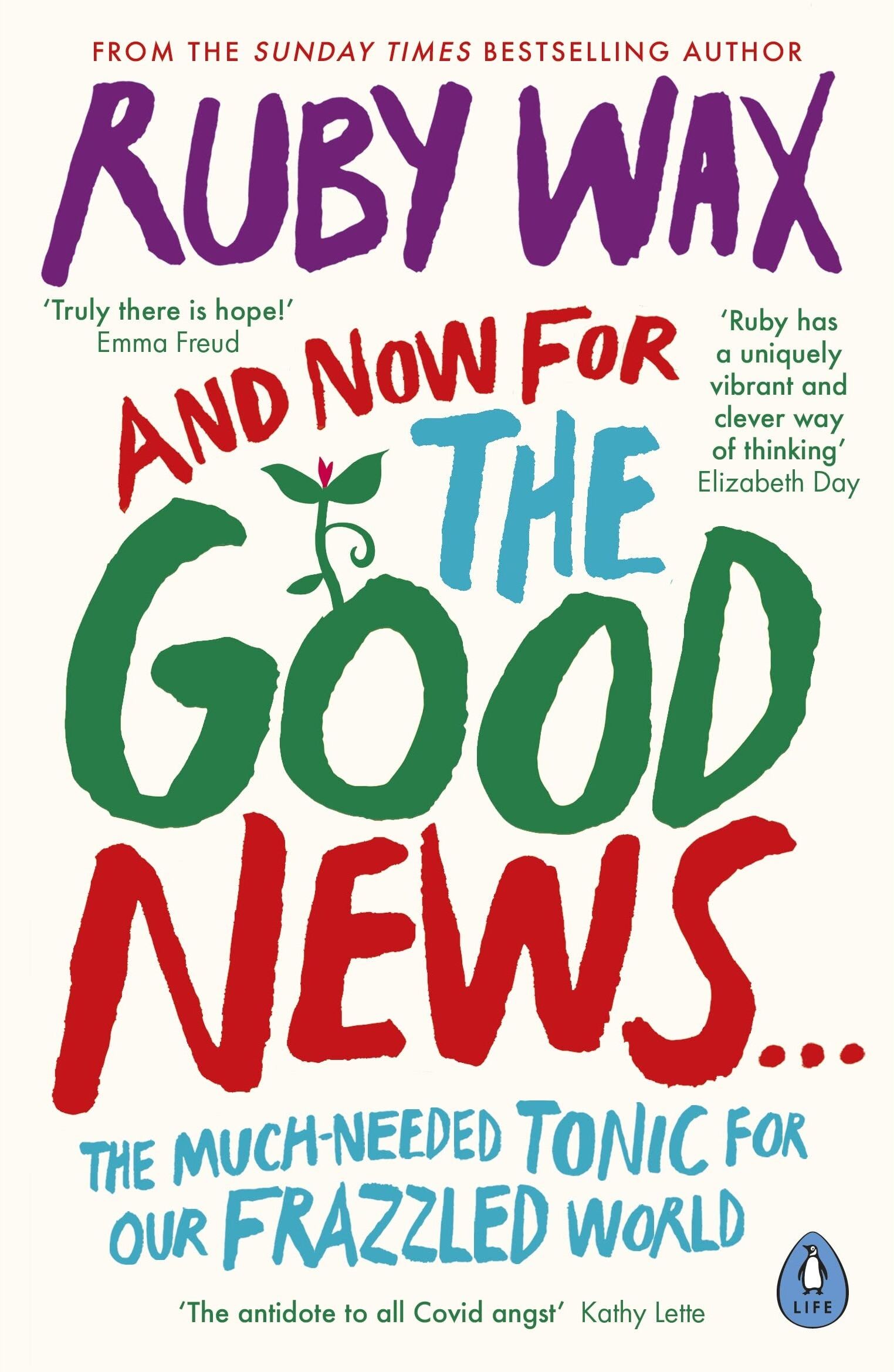
Penguin And Now For The Good News: The much-needed tonic for our frazzled world by Ruby WaxAnd Now For The Good News: The much-needed tonic for our frazzled world by Ruby Wax Bestselling author and comedian, Ruby Wax, uses her iconic wit and expertise to equip readers with a positive roadmap for a kinder, brighter world and better mental health. As we begin to see the green shoots of a post-pandemic world, Ruby Wax's clever and witty And Now for the Good News is the blueprint we all need for achieving a kinder, more compassionate world. Brimming with practical learnings, Ruby gives readers the opportunity to create lasting positive change and provides us all with a much-needed tonic for better mental health and wellbeing. She has spent the last three years speaking to the people who are spearheading the latest innovation and influencing a brighter future for humanity. From the communities being designed to eradicate loneliness and the companies putting their employees' happiness first, to the impressive AI technology teaching children with learning difficulties and taking literacy levels higher than ever before. And Now for the Good News distils her inspiring findings into key practical takeaways for all. Ruby's here to provide us all with a positive roadmap for a brighter world and most importantly, for better mental wellbeing.2,10 £*Shipping: 1,99 £Secure redirect to the provider
-
How much more efficient is a new heating system?
A new heating system can be significantly more efficient than an older one, especially if the older system is outdated or in poor condition. New heating systems often come with advanced technology and energy-saving features that can result in lower energy consumption and reduced utility bills. Additionally, newer systems are designed to meet higher efficiency standards, which can lead to a more comfortable and consistent indoor temperature. Overall, a new heating system can be a worthwhile investment in terms of energy efficiency and cost savings. **
-
Why are the Greens so much against sustainable nuclear power?
The Greens are generally against sustainable nuclear power because they have concerns about the safety and environmental impact of nuclear energy. They argue that nuclear power plants produce radioactive waste that remains hazardous for thousands of years, and that accidents like the ones at Chernobyl and Fukushima have demonstrated the potential for catastrophic consequences. Additionally, they believe that investing in nuclear power diverts resources and attention away from renewable energy sources like wind and solar power, which they see as safer and more sustainable alternatives. Finally, the Greens also have concerns about the potential for nuclear proliferation and the connection between nuclear power and nuclear weapons. **
-
What are some ideas for an innovative and sustainable product that does not exist yet?
One innovative and sustainable product idea could be a biodegradable and compostable alternative to single-use plastic packaging, such as a food wrap or container made from plant-based materials. Another idea could be a solar-powered water purification system that can provide clean drinking water in remote or disaster-stricken areas. Additionally, a wearable technology that uses kinetic energy from movement to generate electricity for charging electronic devices could be a sustainable and innovative product. **
-
How much can a Smart car tow?
A Smart car is not designed to tow heavy loads. The manufacturer recommends that a Smart car should not be used for towing. The small size and lightweight construction of a Smart car make it unsuitable for towing significant weight, and attempting to do so could potentially damage the vehicle. If towing is necessary, it is best to use a vehicle that is specifically designed for towing. **
* All prices are inclusive of VAT and, if applicable, plus shipping costs. The offer information is based on the details provided by the respective shop and is updated through automated processes. Real-time updates do not occur, so deviations can occur in individual cases. ** Note: Parts of this content were created by AI.