Buy energytoday.eu ?
We are moving the project
energytoday.eu .
Are you interested in purchasing the domain
energytoday.eu ?
domain@kv-gmbh.de · 0541-91531010
Buy energytoday.eu ?
Should I replace this radiator hose?
If the radiator hose is showing signs of wear such as cracks, bulges, or leaks, then it is recommended to replace it. A damaged radiator hose can lead to coolant leaks, overheating of the engine, and potential engine damage. It is better to replace the hose preventatively rather than risk a breakdown or more costly repairs in the future. If you are unsure about the condition of the hose, it is best to have a mechanic inspect it for you. **
Why did the radiator hose burst?
The radiator hose likely burst due to a combination of factors such as age, wear and tear, and high pressure. Over time, the rubber in the hose can degrade and become more prone to cracking and bursting. Additionally, if the cooling system is not properly maintained and the coolant levels are not regularly checked, it can lead to overheating and increased pressure within the hose, causing it to burst. It's important to regularly inspect and replace radiator hoses to prevent unexpected failures. **


Similar search terms for STC-T408114-Radiator-hose
Top-Angebote
Products related to STC-T408114-Radiator-hose:


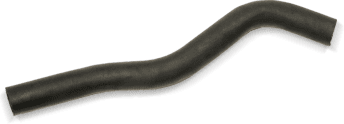

-
"Is the radiator hose torn and leaking at the clamp?"
To determine if the radiator hose is torn and leaking at the clamp, you should visually inspect the hose for any visible tears or damage. Additionally, you can check for any signs of coolant leakage around the clamp area. If there is evidence of a tear or leak, it is important to address the issue promptly to prevent further damage to the cooling system. It may be necessary to replace the hose or tighten the clamp to resolve the issue. **
-
How do you clean a horse's hose?
To clean a horse's hooves, start by picking out any dirt, rocks, or debris with a hoof pick. Next, use a stiff brush to remove any remaining dirt and debris from the hoof wall and sole. You can also use a damp sponge or cloth to wipe down the hoof and remove any remaining dirt. Finally, apply a hoof conditioner or moisturizer to keep the hoof healthy and hydrated. **
-
How can you clean a PVC hose?
To clean a PVC hose, start by disconnecting it from the water source and draining any remaining water. Then, use a mild soap or detergent and a soft brush to scrub the inside and outside of the hose. Rinse thoroughly with clean water to remove any soap residue. Finally, hang the hose to air dry completely before storing it. Avoid using harsh chemicals or abrasive materials that could damage the PVC material. **
-
How do you clean the shower hose?
To clean the shower hose, start by removing it from the showerhead. Then, soak the hose in a solution of warm water and white vinegar for at least 30 minutes to help break down any mineral deposits or grime. After soaking, use a bottle brush or a pipe cleaner to scrub the inside of the hose, and then rinse it thoroughly with clean water. Finally, reattach the hose to the showerhead and run water through it to ensure it is clean and free of any remaining debris. **


How do I clean behind the radiator?
To clean behind the radiator, start by turning off the radiator and allowing it to cool down. Then, use a vacuum cleaner with a narrow attachment to remove any dust and debris from behind the radiator. You can also use a long-handled duster or a microfiber cloth to reach behind the radiator and wipe down any remaining dust. If there is a lot of built-up dirt, you may need to remove the radiator cover or grille to access the area behind it for a more thorough cleaning. Be sure to follow any specific instructions provided by the radiator manufacturer for cleaning and maintenance. **
How can one clean a garden hose completely?
To clean a garden hose completely, start by disconnecting it from the water source and draining any remaining water. Then, use a hose nozzle or pressure washer to flush out any dirt, debris, or mildew from the inside of the hose. Next, fill a bucket with a mixture of water and mild soap, and run the soapy water through the hose to remove any remaining residue. Finally, rinse the hose thoroughly with clean water and hang it to dry before storing it. **
Top-Angebote
Products related to STC-T408114-Radiator-hose:
-
Should I replace this radiator hose?
If the radiator hose is showing signs of wear such as cracks, bulges, or leaks, then it is recommended to replace it. A damaged radiator hose can lead to coolant leaks, overheating of the engine, and potential engine damage. It is better to replace the hose preventatively rather than risk a breakdown or more costly repairs in the future. If you are unsure about the condition of the hose, it is best to have a mechanic inspect it for you. **
-
Why did the radiator hose burst?
The radiator hose likely burst due to a combination of factors such as age, wear and tear, and high pressure. Over time, the rubber in the hose can degrade and become more prone to cracking and bursting. Additionally, if the cooling system is not properly maintained and the coolant levels are not regularly checked, it can lead to overheating and increased pressure within the hose, causing it to burst. It's important to regularly inspect and replace radiator hoses to prevent unexpected failures. **
-
"Is the radiator hose torn and leaking at the clamp?"
To determine if the radiator hose is torn and leaking at the clamp, you should visually inspect the hose for any visible tears or damage. Additionally, you can check for any signs of coolant leakage around the clamp area. If there is evidence of a tear or leak, it is important to address the issue promptly to prevent further damage to the cooling system. It may be necessary to replace the hose or tighten the clamp to resolve the issue. **
-
How do you clean a horse's hose?
To clean a horse's hooves, start by picking out any dirt, rocks, or debris with a hoof pick. Next, use a stiff brush to remove any remaining dirt and debris from the hoof wall and sole. You can also use a damp sponge or cloth to wipe down the hoof and remove any remaining dirt. Finally, apply a hoof conditioner or moisturizer to keep the hoof healthy and hydrated. **
Similar search terms for STC-T408114-Radiator-hose
-
How can you clean a PVC hose?
To clean a PVC hose, start by disconnecting it from the water source and draining any remaining water. Then, use a mild soap or detergent and a soft brush to scrub the inside and outside of the hose. Rinse thoroughly with clean water to remove any soap residue. Finally, hang the hose to air dry completely before storing it. Avoid using harsh chemicals or abrasive materials that could damage the PVC material. **
-
How do you clean the shower hose?
To clean the shower hose, start by removing it from the showerhead. Then, soak the hose in a solution of warm water and white vinegar for at least 30 minutes to help break down any mineral deposits or grime. After soaking, use a bottle brush or a pipe cleaner to scrub the inside of the hose, and then rinse it thoroughly with clean water. Finally, reattach the hose to the showerhead and run water through it to ensure it is clean and free of any remaining debris. **
-
How do I clean behind the radiator?
To clean behind the radiator, start by turning off the radiator and allowing it to cool down. Then, use a vacuum cleaner with a narrow attachment to remove any dust and debris from behind the radiator. You can also use a long-handled duster or a microfiber cloth to reach behind the radiator and wipe down any remaining dust. If there is a lot of built-up dirt, you may need to remove the radiator cover or grille to access the area behind it for a more thorough cleaning. Be sure to follow any specific instructions provided by the radiator manufacturer for cleaning and maintenance. **
-
How can one clean a garden hose completely?
To clean a garden hose completely, start by disconnecting it from the water source and draining any remaining water. Then, use a hose nozzle or pressure washer to flush out any dirt, debris, or mildew from the inside of the hose. Next, fill a bucket with a mixture of water and mild soap, and run the soapy water through the hose to remove any remaining residue. Finally, rinse the hose thoroughly with clean water and hang it to dry before storing it. **
* All prices are inclusive of VAT and, if applicable, plus shipping costs. The offer information is based on the details provided by the respective shop and is updated through automated processes. Real-time updates do not occur, so deviations can occur in individual cases. ** Note: Parts of this content were created by AI.