Buy energytoday.eu ?
We are moving the project
energytoday.eu .
Are you interested in purchasing the domain
energytoday.eu ?
domain@kv-gmbh.de · 0541-91531010
Buy energytoday.eu ?
Symbiosis or Parasitism?
Symbiosis refers to a mutually beneficial relationship between two different species, where both organisms benefit from the interaction. On the other hand, parasitism is a type of relationship where one organism benefits at the expense of the other, causing harm to the host organism. To determine whether a relationship is symbiotic or parasitic, it is important to consider the impact of the interaction on both species involved. **
What are examples of symbiosis?
Examples of symbiosis include mutualism, where both organisms benefit from the relationship, such as the relationship between bees and flowers. Another example is commensalism, where one organism benefits and the other is neither helped nor harmed, like the relationship between barnacles and whales. Parasitism is another form of symbiosis, where one organism benefits at the expense of the other, such as ticks feeding on the blood of mammals. **

Similar search terms for Symbiosis
Top-Angebote
Products related to Symbiosis:
-
Mason Cash Innovative Kitchen Mixing BowlThis Mason Cash mixing bowl has a capacity of 4 litres and features tilt support in the design and shape of the bowl. As the bowl is tilted, the indents in the outer surface of the bowl provided angled support when mixing and beating the contents of the bowl. The bowl is made from stoneware and is finished with a durable and hard wearing glaze. The Mason Cash mixing bowl is suitable for warming food in the microwave and is dishwasher safe for easy and convenient cleaning.24,50 £*Shipping: 3,50 £Secure redirect to the provider
-
Mason Cash Innovative Kitchen Lasagne DishThe Mason Cash Innovative Kitchen Lasagne Dish is made from stoneware which provides gradual and even heat distribution. A vented base also ensures optimal heat distribution whilst right angled corners and precision sizing accommodate most lasagne sheets without the need to break them down. Steep sides allow for higher layering and help distribute heat evenly. Mason Cash ovenware classics have been given the Innovative Kitchen treatment in this range. Carefully selected materials with innovative features that improve their performance for tastier results. The Mason Cash Innovative Kitchen Lasagne Dish measures H 7.3cm x W 31.5cm x D 20.5cm with a capacity of 2.5 litres.16,10 £*Shipping: 3,50 £Secure redirect to the provider
-
Rueber Innovative Regenerative Anti-Dandruff Shampoo 330mLA shampoo for dandruff or a flaky scalp. It expertly formulated to combat dandruff while restoring the scalp's natural balance. This versatile shampoo effectively eliminates dryness and flaking, providing hydration and enhancing the hair's body and volume. Effective dandruff control for all hair types.12,92 £*Shipping: 7,11 £Secure redirect to the provider
-
Rueber Innovative Regen Vital Regenerative Tonic 150mLA hair-care product for redness. It immediate effects on oily dandruff and detoxification processes. This lightweight formula helps eliminate dandruff, itching, redness, and irritation while promoting the healing of epithelial sheaths and removing toxin accumulation. Effectively combats oily dandruff and irritation.16,13 £*Shipping: 5,34 £Secure redirect to the provider



-
Are synergy and symbiosis synonyms?
Synergy and symbiosis are not synonyms. Synergy refers to the interaction or cooperation of two or more elements to produce a combined effect greater than the sum of their separate effects. Symbiosis, on the other hand, is a mutually beneficial relationship between two different organisms. While both concepts involve interaction and cooperation, they differ in the nature of the relationship and the entities involved. **
-
What is a gfs symbiosis?
A gfs symbiosis is a mutually beneficial relationship between two or more organisms where one organism provides a necessary resource or service to the other in exchange for a different resource or service. This type of symbiosis is characterized by a close and long-term interaction between the organisms involved. The gfs symbiosis allows each organism to thrive and benefit from the partnership, ultimately leading to the success and survival of both parties. **
-
What is symbiosis in biology?
Symbiosis in biology refers to a close and long-term interaction between two different species. This interaction can be beneficial, harmful, or neutral for one or both of the species involved. There are three main types of symbiotic relationships: mutualism, where both species benefit; commensalism, where one species benefits and the other is unaffected; and parasitism, where one species benefits at the expense of the other. Symbiotic relationships are common in nature and can occur between a wide variety of organisms, including plants, animals, and microorganisms. **
-
How would you explain symbiosis?
Symbiosis is a biological relationship between two different species that live in close proximity to each other. This relationship can be beneficial, harmful, or neutral for one or both of the species involved. There are three main types of symbiotic relationships: mutualism, where both species benefit; commensalism, where one species benefits and the other is unaffected; and parasitism, where one species benefits at the expense of the other. Symbiosis is a fundamental concept in ecology and is essential for understanding the interconnectedness of different organisms in an ecosystem. **


What questions are there about symbiosis?
Some questions about symbiosis include: How do different species recognize and communicate with each other to establish a symbiotic relationship? What factors determine the success or failure of a symbiotic partnership? How do symbiotic relationships evolve over time, and what are the long-term effects on the species involved? Additionally, researchers may also explore the potential benefits and drawbacks of symbiosis in different ecosystems and how human activities impact symbiotic interactions. **
What are the consequences of symbiosis?
Symbiosis can have both positive and negative consequences. In mutualistic symbiosis, both organisms benefit from the relationship, such as in the case of pollination or the relationship between plants and mycorrhizal fungi. However, in parasitic symbiosis, one organism benefits at the expense of the other, leading to harm or even death of the host organism. Additionally, commensalistic symbiosis involves one organism benefiting while the other is unaffected. Overall, the consequences of symbiosis can range from mutualistic interactions that promote survival and reproduction to parasitic interactions that can be harmful or even deadly. **
Top-Angebote
Products related to Symbiosis:
-
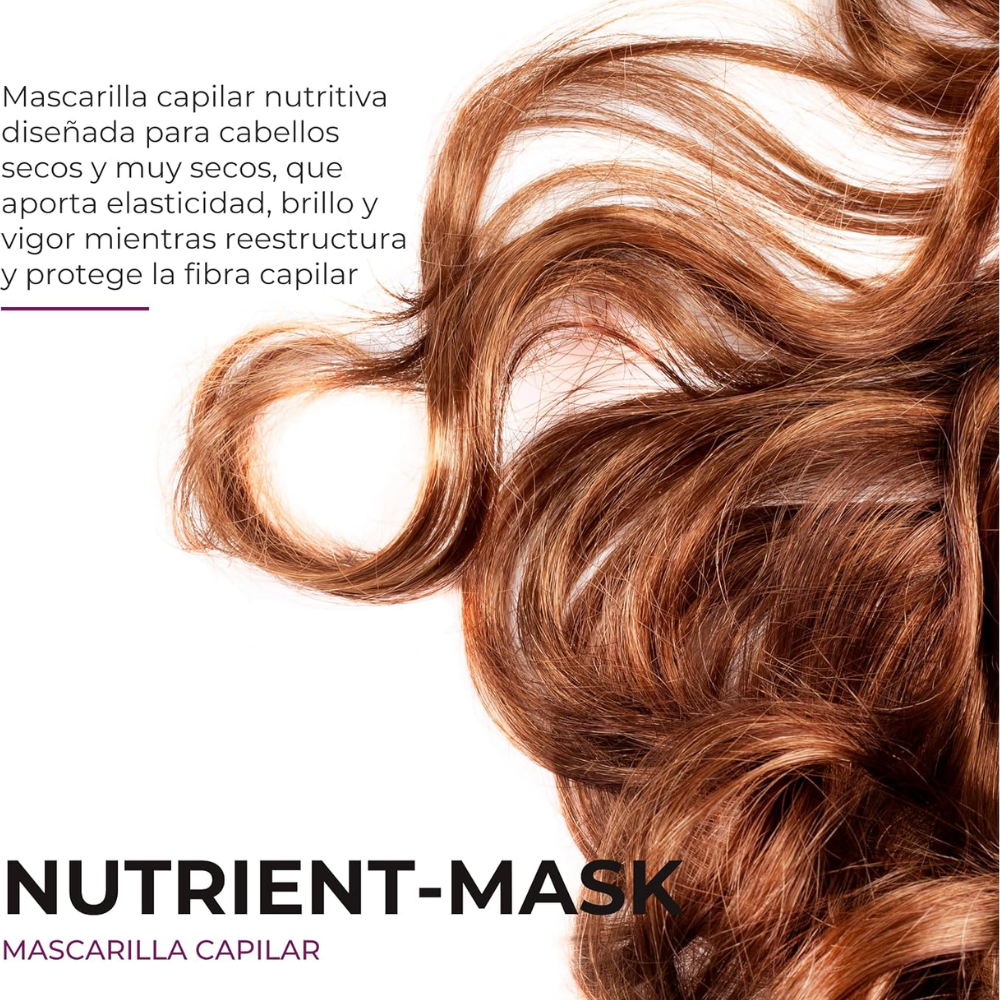
Rueber Innovative Nutrient Nourishing Mask 500mLA hair mask. It a nourishing hair mask rich in amino acids that provides elasticity, vigor, and shine to hair. Its acidic pH protects dry or very dry hair by nourishing and eliminating static electricity. Intensely nourishes and revitalizes dry hair. Improves elasticity and shine. Protects hair structure with an acidic pH.24,01 £*Shipping: 10,02 £Secure redirect to the provider
-
Mason Cash Innovative Kitchen Mixing BowlThis Mason Cash mixing bowl has a capacity of 4 litres and features tilt support in the design and shape of the bowl. As the bowl is tilted, the indents in the outer surface of the bowl provided angled support when mixing and beating the contents of the bowl. The bowl is made from stoneware and is finished with a durable and hard wearing glaze. The Mason Cash mixing bowl is suitable for warming food in the microwave and is dishwasher safe for easy and convenient cleaning.24,50 £*Shipping: 3,50 £Secure redirect to the provider
-
Mason Cash Innovative Kitchen Lasagne DishThe Mason Cash Innovative Kitchen Lasagne Dish is made from stoneware which provides gradual and even heat distribution. A vented base also ensures optimal heat distribution whilst right angled corners and precision sizing accommodate most lasagne sheets without the need to break them down. Steep sides allow for higher layering and help distribute heat evenly. Mason Cash ovenware classics have been given the Innovative Kitchen treatment in this range. Carefully selected materials with innovative features that improve their performance for tastier results. The Mason Cash Innovative Kitchen Lasagne Dish measures H 7.3cm x W 31.5cm x D 20.5cm with a capacity of 2.5 litres.16,10 £*Shipping: 3,50 £Secure redirect to the provider
-
Symbiosis or Parasitism?
Symbiosis refers to a mutually beneficial relationship between two different species, where both organisms benefit from the interaction. On the other hand, parasitism is a type of relationship where one organism benefits at the expense of the other, causing harm to the host organism. To determine whether a relationship is symbiotic or parasitic, it is important to consider the impact of the interaction on both species involved. **
-
What are examples of symbiosis?
Examples of symbiosis include mutualism, where both organisms benefit from the relationship, such as the relationship between bees and flowers. Another example is commensalism, where one organism benefits and the other is neither helped nor harmed, like the relationship between barnacles and whales. Parasitism is another form of symbiosis, where one organism benefits at the expense of the other, such as ticks feeding on the blood of mammals. **
-
Are synergy and symbiosis synonyms?
Synergy and symbiosis are not synonyms. Synergy refers to the interaction or cooperation of two or more elements to produce a combined effect greater than the sum of their separate effects. Symbiosis, on the other hand, is a mutually beneficial relationship between two different organisms. While both concepts involve interaction and cooperation, they differ in the nature of the relationship and the entities involved. **
-
What is a gfs symbiosis?
A gfs symbiosis is a mutually beneficial relationship between two or more organisms where one organism provides a necessary resource or service to the other in exchange for a different resource or service. This type of symbiosis is characterized by a close and long-term interaction between the organisms involved. The gfs symbiosis allows each organism to thrive and benefit from the partnership, ultimately leading to the success and survival of both parties. **
Similar search terms for Symbiosis
-
Rueber Innovative Regenerative Anti-Dandruff Shampoo 330mLA shampoo for dandruff or a flaky scalp. It expertly formulated to combat dandruff while restoring the scalp's natural balance. This versatile shampoo effectively eliminates dryness and flaking, providing hydration and enhancing the hair's body and volume. Effective dandruff control for all hair types.12,92 £*Shipping: 7,11 £Secure redirect to the provider
-
Rueber Innovative Regen Vital Regenerative Tonic 150mLA hair-care product for redness. It immediate effects on oily dandruff and detoxification processes. This lightweight formula helps eliminate dandruff, itching, redness, and irritation while promoting the healing of epithelial sheaths and removing toxin accumulation. Effectively combats oily dandruff and irritation.16,13 £*Shipping: 5,34 £Secure redirect to the provider
-
Rueber Innovative Adictif Dry Hair Shampoo 1000mLA shampoo. It a specialized triple-action shampoo designed for dry and damaged hair. It nourishes, softens, and restructures hair fibers, providing exceptional smoothness, shine, and manageability. Restores moisture and shine to dry hair. Strengthens hair structure after chemical treatments. Suitable for all hair types, especially damaged hair.27,41 £*Shipping: 15,83 £Secure redirect to the provider
-
Rueber Innovative Skynderm Cellular Regenerating Cream 6x12mLA hair-care product for dry or dehydrated skin. It a revitalizing epidermal cream designed for toxic, dehydrated, damaged, irritated, or inflamed skin. It effectively addresses redness on the scalp, forehead, or face, providing essential hydration and nourishment. Hydrates and nourishes the skin. Renews and regenerates skin cells.22,19 £*Shipping: 7,11 £Secure redirect to the provider
-
What is symbiosis in biology?
Symbiosis in biology refers to a close and long-term interaction between two different species. This interaction can be beneficial, harmful, or neutral for one or both of the species involved. There are three main types of symbiotic relationships: mutualism, where both species benefit; commensalism, where one species benefits and the other is unaffected; and parasitism, where one species benefits at the expense of the other. Symbiotic relationships are common in nature and can occur between a wide variety of organisms, including plants, animals, and microorganisms. **
-
How would you explain symbiosis?
Symbiosis is a biological relationship between two different species that live in close proximity to each other. This relationship can be beneficial, harmful, or neutral for one or both of the species involved. There are three main types of symbiotic relationships: mutualism, where both species benefit; commensalism, where one species benefits and the other is unaffected; and parasitism, where one species benefits at the expense of the other. Symbiosis is a fundamental concept in ecology and is essential for understanding the interconnectedness of different organisms in an ecosystem. **
-
What questions are there about symbiosis?
Some questions about symbiosis include: How do different species recognize and communicate with each other to establish a symbiotic relationship? What factors determine the success or failure of a symbiotic partnership? How do symbiotic relationships evolve over time, and what are the long-term effects on the species involved? Additionally, researchers may also explore the potential benefits and drawbacks of symbiosis in different ecosystems and how human activities impact symbiotic interactions. **
-
What are the consequences of symbiosis?
Symbiosis can have both positive and negative consequences. In mutualistic symbiosis, both organisms benefit from the relationship, such as in the case of pollination or the relationship between plants and mycorrhizal fungi. However, in parasitic symbiosis, one organism benefits at the expense of the other, leading to harm or even death of the host organism. Additionally, commensalistic symbiosis involves one organism benefiting while the other is unaffected. Overall, the consequences of symbiosis can range from mutualistic interactions that promote survival and reproduction to parasitic interactions that can be harmful or even deadly. **
* All prices are inclusive of VAT and, if applicable, plus shipping costs. The offer information is based on the details provided by the respective shop and is updated through automated processes. Real-time updates do not occur, so deviations can occur in individual cases. ** Note: Parts of this content were created by AI.